
Hypoxic Blackout Prevention
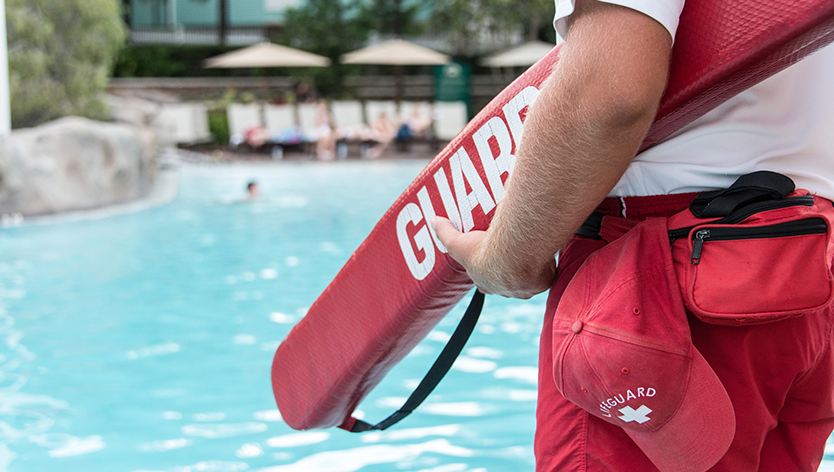
The practice of hyperventilation and extended breath-holding is not permitted in CAF swimming pools during recreation, military fitness and sport activities.
Your community is currently set to . View landing page


CF One is the gateway to your best life.
Only CF One members get exclusive discounts and savings, earn rewards, and access personalized financial, fitness and wellness programs exclusive to the military community.
Become a CF One Member
The practice of hyperventilation and extended breath-holding is not permitted in CAF swimming pools during recreation, military fitness and sport activities.
Lorem ipsum dolor sit amet, consectetur adipisicing elit, sed do eiusmod tempor incididunt ut labore et dolore magna aliqua. Ut enim ad minim aniam, quis nostrud exercitation.
Register NowYour location has been set to Default . To display community-specific information, please select your location from the list below:
